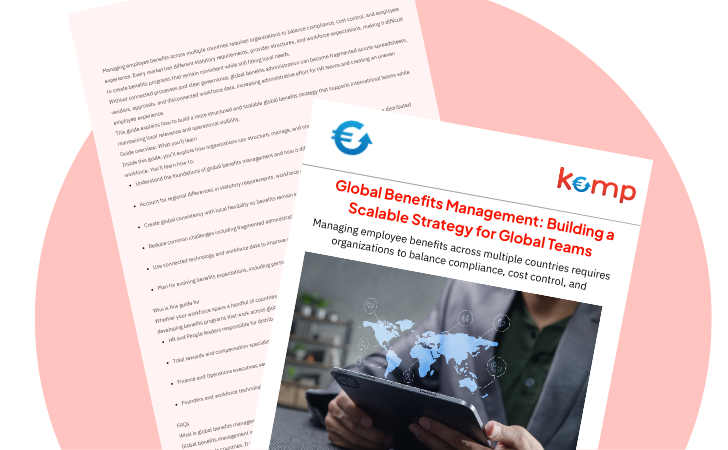
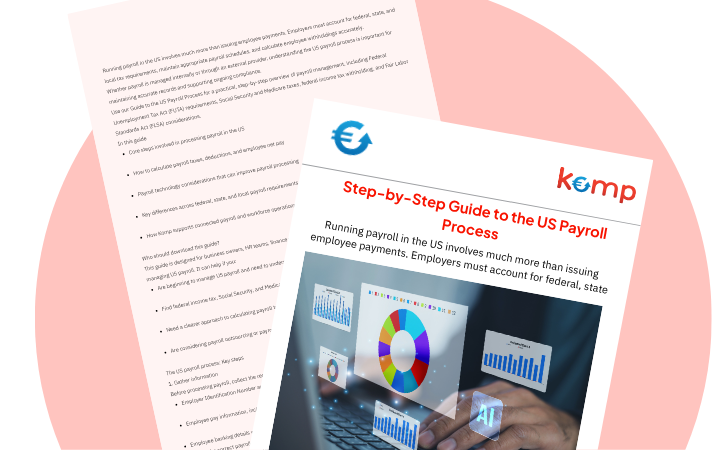
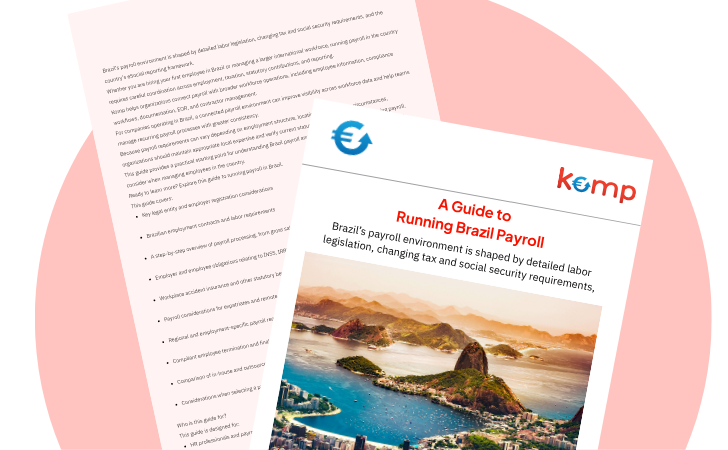
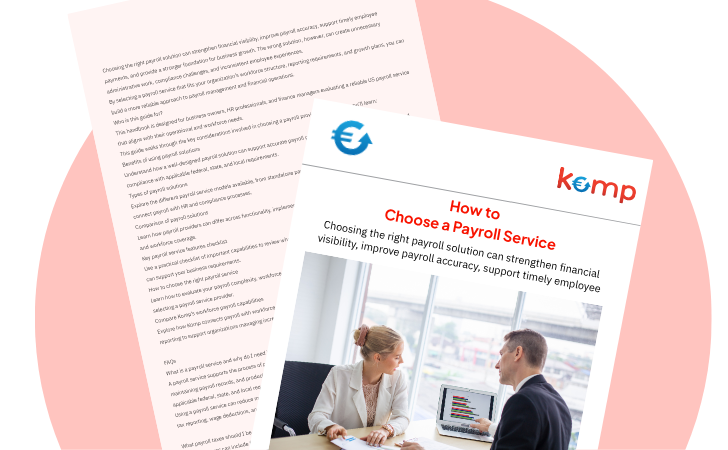
2026 is putting greater pressure on IT teams to support distributed workforces with more automation, stronger visibility, and fewer disconnected systems. As organizations scale across locations, IT operations must keep pace with workforce growth while maintaining security, efficiency, and employee experience.
How can IT and HR teams prepare for what comes next?
With a structured strategy.
This IT Strategy Toolkit provides a practical framework for building scalable IT operations for distributed teams. It helps organizations assess their current environment, identify opportunities for automation and consolidation, and create a clear roadmap for improving IT operations.
Use this toolkit to:
- Prepare IT operations for changing technology and distributed workforce requirements
- Reduce manual administration through automation and connected workflows
- Build scalable IT processes that support employees across locations
What's inside the IT Strategy Toolkit
This toolkit explores the operational priorities shaping modern workforce IT and provides a structured roadmap for evaluating and improving your current environment:
- Assess your current IT environment: Review device management, security, operational efficiency, employee support, and visibility to establish your starting point.
- Define strategic IT priorities: Set measurable goals aligned with workforce growth, productivity, security, and operational efficiency.
- Evaluate technology and scalability: Assess integrations, automation capabilities, data visibility, governance, and audit readiness.
- Design your target IT operating model: Define how devices, access, support, security, and employee lifecycle processes should work together.
- Identify gaps and prioritize action: Compare your current environment with your target model and prioritize improvements based on business impact and effort.
- Align stakeholders and resources: Establish ownership across IT, HR, and operations and build the business case for required investments.
- Implement, measure, and optimize: Track relevant KPIs, review operational performance, and continuously improve IT processes as workforce needs evolve.
Who this IT Toolkit is for
This toolkit is designed for IT managers, operations leaders, and HR or People teams responsible for supporting growing and distributed workforces with secure, efficient, and scalable IT operations.
It's especially useful if you're focused on:
- Supporting distributed and international teams with consistent IT processes across locations
- Consolidating fragmented systems and workflows to improve operational visibility and reduce complexity
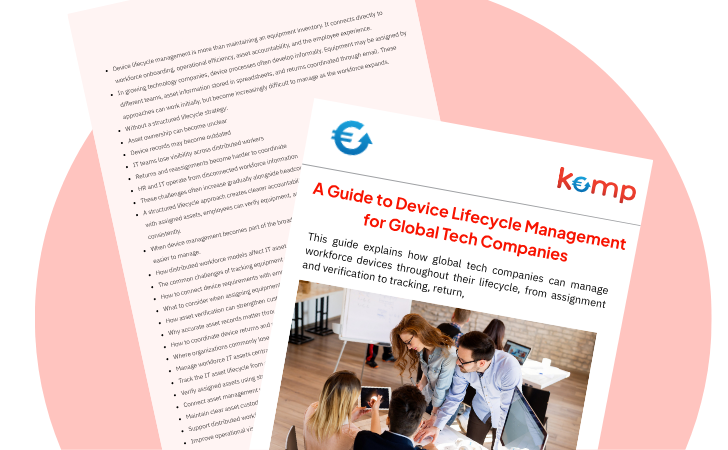
- Improving device lifecycle management from assignment and verification through return and reassignment
- Building scalable IT operations as workforce size and geographic coverage increase
- Automating repetitive processes to reduce administrative workload and improve consistency
- Strengthening governance and visibility across workforce devices, access, and IT operations
Whether you're formalizing IT operations for a growing workforce or improving an established global model, this toolkit provides a practical framework for identifying gaps, setting priorities, and building a more connected operating environment.
Simplify Workforce IT Operations with Komp
The IT Strategy Toolkit helps you define a more scalable approach to workforce IT. Komp helps connect IT asset management with the broader worker lifecycle.
With Komp, you can:
- Manage workforce IT assets centrally through one connected platform
- Track the IT asset lifecycle from assignment and worker acknowledgement through return or reassignment
- Verify assigned assets using structured asset records and QR-based verification
- Connect asset management with workforce operations to improve visibility across the worker lifecycle
- Maintain clear asset custody records so teams can see which equipment is assigned to each worker
- Support distributed workforce operations with centralized asset information and standardized workflows
- Improve operational visibility across workers, assigned assets, status, and lifecycle actions



.png)

.png)