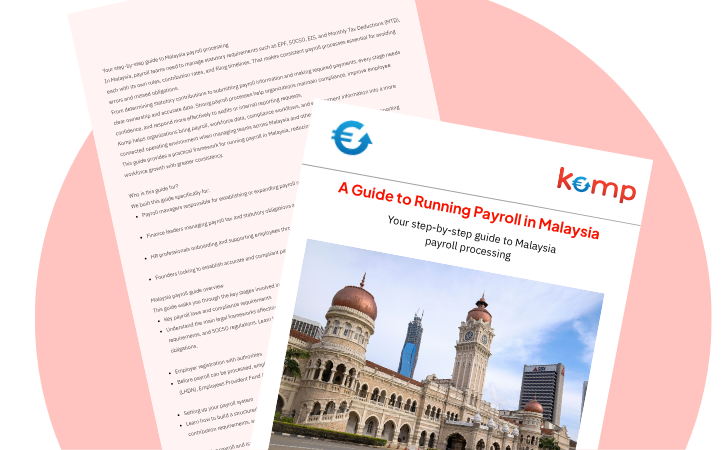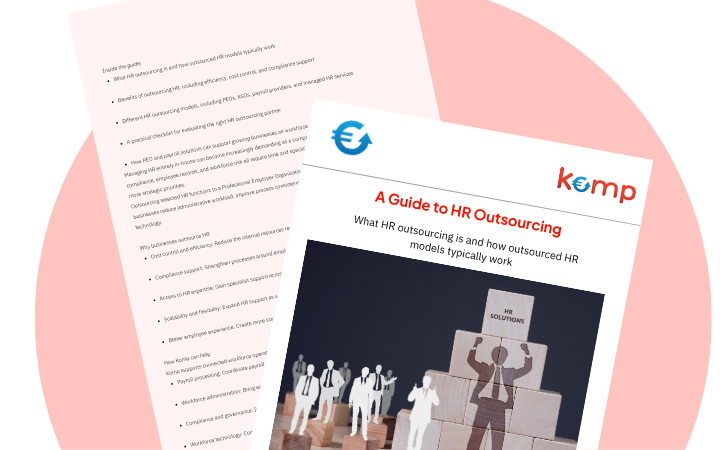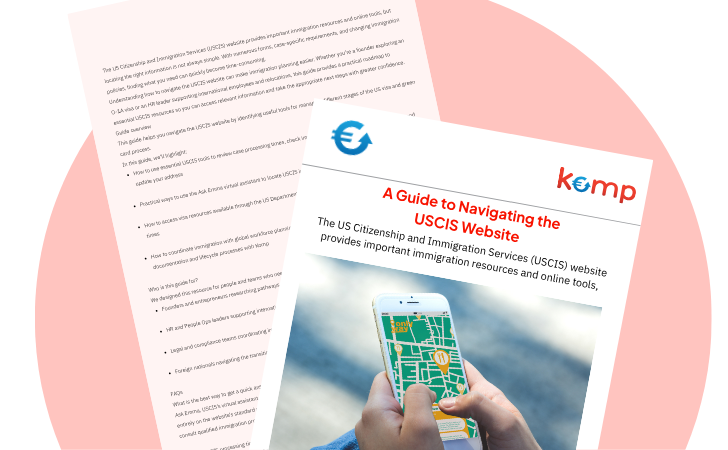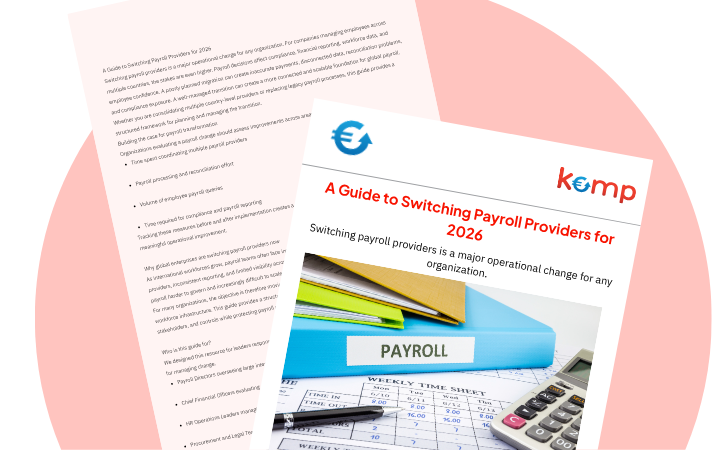
Guide

Hybrid Work 101: The Guide to Happy Teams, No RTO Mandates

Key takeaways

  1. Hybrid work continues to appeal to employees because it offers greater flexibility and work-life balance, while businesses can benefit from broader talent access, improved workforce flexibility, and potentially stronger retention. Yet many organizations are still reconsidering how much office attendance they should require.  
  1. The challenge is often not hybrid work itself, but the operating model behind it. Processes designed for fully office-based teams do not always translate effectively to distributed or flexible work environments, where visibility, coordination, payroll, compliance, and workforce data need to work differently.  
  1. Rather than relying only on return-to-office policies, companies can build stronger hybrid workforce infrastructure. Komp helps organizations connect workforce information, payroll, compliance workflows, EOR, and contractor management so HR, Finance, and Operations teams have greater visibility across distributed teams.  

Guide overview

Hybrid work can deliver meaningful benefits when it is supported by the right operating processes and workforce infrastructure. With a connected workforce platform, organizations can:

  • Centralize workforce information and improve visibility across teams
  • Create more consistent onboarding experiences for hybrid employees
  • Connect payroll processes with broader workforce operations
  • Support compliant management of distributed and remote workers
  • Maintain clearer records across employees, contractors, and locations
  • Strengthen collaboration between HR, Finance, Legal, and Operations
  • Build scalable workforce processes that do not depend on office location

Who will benefit from this guide

This guide is designed for HR leaders, operations teams, and executives responsible for managing hybrid or distributed workforces. You may be refining a flexible work model introduced during the pandemic, expanding across locations, or looking for a more structured way to manage hybrid teams as your organization grows.

What’s included

  • Why organizations are continuing to rethink full-time office models
  • The operational challenges of a hybrid work environment
  • What connected workforce infrastructure looks like
  • How Komp can support distributed workforce operations
  • Practical approaches to making hybrid work more effective
  • Key capabilities to evaluate when choosing a workforce platform

FAQs

A hybrid work model allows employees to divide their working time between remote locations and a physical workplace. The exact structure can vary based on company policy, role requirements, and workforce needs.

Common challenges include inconsistent workforce processes, limited visibility across locations, disconnected systems, payroll complexity, compliance requirements, and maintaining coordination between HR, Finance, and Operations.

Effective hybrid workforce management requires clear policies, consistent processes, connected workforce data, appropriate communication practices, and systems that support employees regardless of where they work.

Komp connects workforce information, payroll, EOR, contractor management, and compliance workflows within a broader Workforce Operating System, helping organizations maintain visibility and consistency across distributed teams.

When employees or contractors work across different locations or jurisdictions, employment, payroll, tax, and worker-classification requirements can become more complex. Maintaining accurate workforce information and structured compliance processes helps organizations manage these obligations more effectively.

Yes. Komp supports global workforce operations across employees, contractors, EOR arrangements, payroll, and compliance, helping organizations manage distributed teams through a more connected operating model.

Your Details

Realted Resources

Left-pointing arrow icon.
Right-pointing arrow icon.