Guide

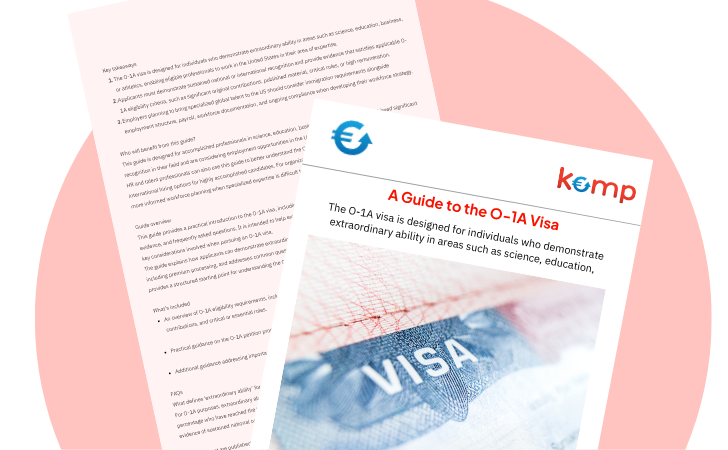
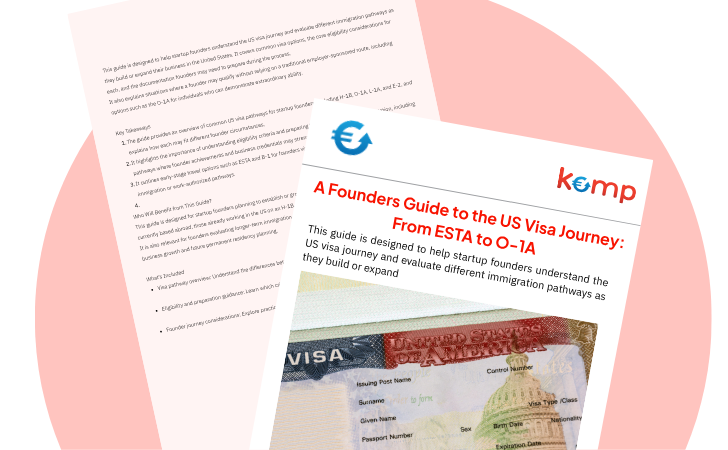
A Guide to the O-1A Visa

Key takeaways

  1. The O-1A visa is designed for individuals who demonstrate extraordinary ability in areas such as science, education, business, or athletics, enabling eligible professionals to work in the United States in their area of expertise.  
  1. Applicants must demonstrate sustained national or international recognition and provide evidence that satisfies applicable O-1A eligibility criteria, such as significant original contributions, published material, critical roles, or high remuneration.  
  1. Employers planning to bring specialized global talent to the US should consider immigration requirements alongside employment structure, payroll, workforce documentation, and ongoing compliance when developing their workforce strategy.  

Who will benefit from this guide?

This guide is designed for accomplished professionals in science, education, business, or athletics who have achieved significant recognition in their field and are considering employment opportunities in the United States.

HR and talent professionals can also use this guide to better understand the O-1A visa requirements when evaluating international hiring options for highly accomplished candidates. For organizations, understanding this visa category can support more informed workforce planning when specialized expertise is difficult to source within existing talent markets.

Guide overview

This guide provides a practical introduction to the O-1A visa, including its eligibility requirements, petition process, supporting evidence, and frequently asked questions. It is intended to help extraordinary-ability professionals and HR teams understand the key considerations involved when pursuing an O-1A visa.

The guide explains how applicants can demonstrate extraordinary ability, outlines important stages of the petition process, including premium processing, and addresses common questions surrounding supporting documentation and eligibility. It provides a structured starting point for understanding the O-1A process before seeking case-specific immigration guidance.

What’s included

  • An overview of O-1A eligibility requirements, including evidence relating to recognized achievements, scholarly work, original contributions, and critical or essential roles.
  • Practical guidance on the O-1A petition process and available premium processing options.
  • Additional guidance addressing important O-1A evidence requirements across eligible professional fields.

FAQs

For O-1A purposes, extraordinary ability generally means demonstrating expertise that places an individual among the small percentage who have reached the top of their field. The category applies to science, education, business, or athletics and requires evidence of sustained national or international acclaim and recognized achievements.

Published material about an applicant in professional publications, major trade publications, or major media can be one form of evidence used to demonstrate recognition in the applicant’s field. Its relevance depends on whether the material meets the applicable evidentiary requirements and supports the overall O-1A petition.

The O-1A classification itself applies to extraordinary ability in science, education, business, or athletics. Individuals working in motion pictures or television generally fall under the separate O-1B classification for extraordinary achievement in the motion picture or television industry, subject to its applicable requirements.

Premium processing is an optional USCIS service available for eligible petitions, including O classifications. By submitting the required request and fee, petitioners can receive expedited USCIS adjudicative action within the applicable premium-processing timeframe. This can be useful when employment or business timelines require a faster response.

Evidence can include documentation showing that the applicant has performed in a critical or essential capacity for organizations or establishments with distinguished reputations. Supporting materials should establish the nature and importance of the individual’s role as well as the reputation of the organization involved.

High salary or other significantly high remuneration compared with others in the field can serve as one type of evidence supporting an O-1A petition. Relevant documentation should demonstrate that the applicant’s compensation is comparatively high for the field rather than simply showing that the individual receives a substantial salary.

Your Details

Realted Resources

Left-pointing arrow icon.
Right-pointing arrow icon.