Guide

A Guide to Overcome Labor Shortages for Employers

Labor shortages are reshaping how organizations compete for talent. As demand for skilled professionals continues to outpace local supply, many employers face longer hiring cycles, increasing workforce costs, and growing pressure on existing teams. Expanding access to global talent has become a practical way to address critical skills gaps while supporting long-term business growth.

This guide provides HR, operations, and business leaders with a practical framework for moving beyond local hiring limitations. Learn how to build a scalable global workforce strategy, evaluate international hiring models, and manage recruitment, payroll, compliance, and workforce operations with greater confidence.

Who Will Benefit from This Guide?

  • CHROs addressing ongoing hiring challenges while supporting business growth
  • COOs seeking to reduce operational risk caused by workforce shortages
  • Talent Acquisition leaders expanding hiring beyond constrained local markets
  • HR Business Partners managing employee workload, retention, and workforce capacity

How to Overcome Labor Shortages Through Global Hiring

Building a sustainable workforce requires expanding beyond traditional hiring practices. This guide outlines a practical approach to building a global hiring strategy.

  • Preparation: Assess current workforce gaps. Identify critical roles, future hiring needs, and whether positions can be supported through remote or international hiring.
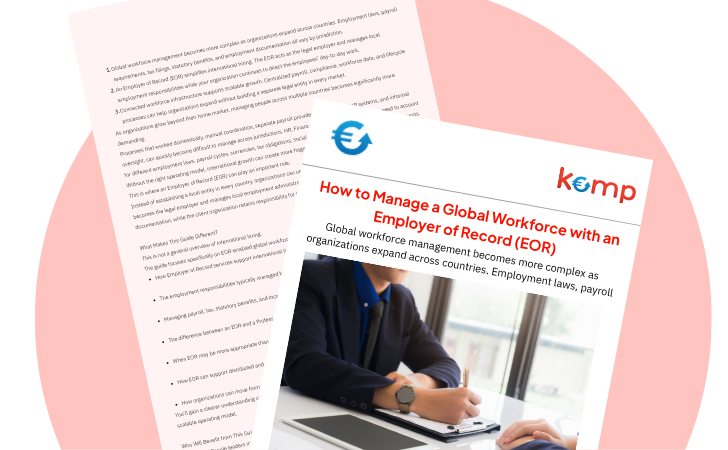
  • Input: Evaluate global hiring options. Explore workforce models such as direct employment, Employer of Record (EOR), contractors, or local entities based on business objectives and country requirements.
  • Refinement: Create connected workforce operations. Standardize hiring, onboarding, payroll, compliance, and workforce management through one operating model to improve visibility and reduce administrative complexity.

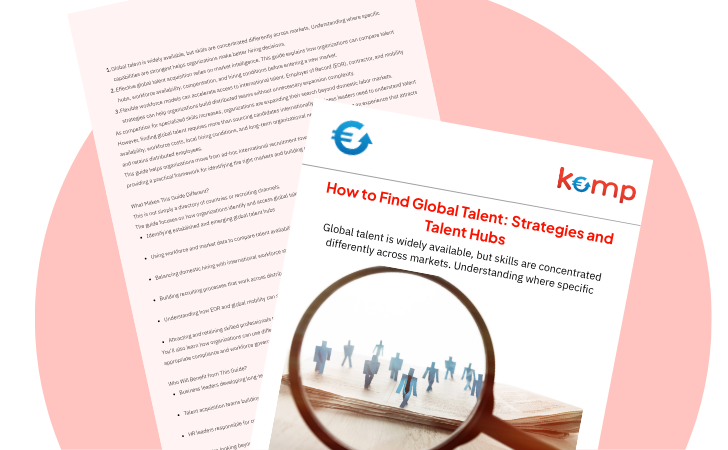
Pro tip: Expand your search into fast-growing talent markets across regions such as APAC, LATAM, Eastern Europe, and Africa. Many organizations discover highly capable talent pools beyond traditional hiring locations.

FAQs

Labor shortages are driven by several factors, including changing workforce demographics, evolving employee expectations, growing demand for specialized skills, and increasing competition for experienced talent.

Many organizations are expanding their hiring strategies internationally to access broader talent markets and improve workforce resilience.

Global hiring allows organizations to access qualified professionals beyond local labor markets, reducing hiring delays and improving access to advanced skills.

Expanding internationally also gives businesses greater flexibility when building teams across different functions, markets, and time zones.

International hiring involves additional considerations such as payroll, compliance, and employment regulations, but it can also provide access to more competitive talent markets and reduce the business impact of prolonged vacancies.

The overall value should be evaluated alongside workforce availability, productivity, and long-term growth objectives.

KOMP enables organizations to hire, onboard, manage, pay, and govern global workforces across 150+ countries through one AI-powered Workforce Operating System.

By connecting global hiring, Employer of Record (EOR), payroll, compliance, and workforce management into a single platform, Komp helps organizations scale international teams with greater visibility, consistency, and confidence.

Your Details

Realted Resources

Left-pointing arrow icon.
Right-pointing arrow icon.